Argentina is a country built for slow, meaningful travel. It is vast enough to lose yourself in — glaciers and grasslands, wetlands and wine country, subtropical jungle and the windswept end of the world — and increasingly, it is a place where simply showing up can be a force for good. Across the country, conservationists are bringing lost species back to life, rural communities are building futures around protecting nature rather than exploiting it, and a new generation of hotels is proving that luxury and responsibility belong together.
Sustainable travel in Argentina is not about sacrifice. It is about traveling better: deeper encounters with wildlife, more authentic moments with local people, and the quiet satisfaction of knowing your trip leaves the places you love a little stronger. This guide shows you how — and at 01 Argentina Travel Agency, we design every journey around exactly these principles.
Why Argentina Is a Rising Star in Responsible Travel
Few countries can match Argentina’s recent conservation story. The nation has expanded its network of national parks dramatically, protected millions of acres of wetlands and coastline, and become the headquarters of one of the most ambitious rewilding movements on Earth. For the traveler, this means something rare: the chance to witness ecosystems being actively restored, and to see tourism functioning as the engine that funds it. When you choose responsibly here, your visit becomes part of the solution.
Witness Rewilding in Action: The Iberá Wetlands
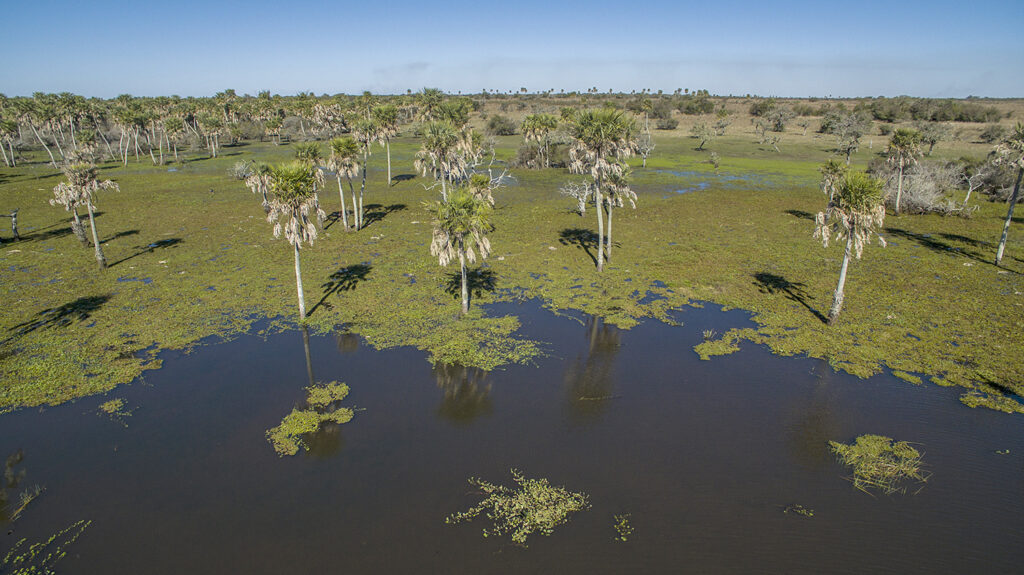
If there is one place that captures the spirit of sustainable Argentina, it is Iberá. These vast wetlands in the northeastern province of Corrientes form one of the largest freshwater ecosystems on the planet, and the heart of a landmark rewilding effort led by Rewilding Argentina (the legacy of Tompkins Conservation).
Here, species that had vanished from the region are returning. The crowning achievement is the jaguar: after roughly 70 years of local extinction, jaguars were reintroduced from a dedicated breeding center, and the wild population has now grown to an estimated 35 to 40 animals spanning three generations — with cubs born free in the wild. Giant anteaters, pampas deer, giant otters, and macaws have been restored alongside them.
Crucially, this is a community success as much as an ecological one. In gateway towns such as Carlos Pellegrini, tourism has become the main local economy, with families who once had few options now working as wildlife guides, boatmen, and hosts. To explore Iberá by canoe at dawn, gliding past capybaras and caimans with a local guide, is to put your travel money directly into protecting the very landscape you came to see.
Responsible Wildlife Watching in Patagonia
Argentina’s Atlantic coast offers some of the world’s great wildlife spectacles — and a model for how to enjoy them ethically. Península Valdés, a UNESCO World Heritage Site in Patagonia, is the stage for the annual gathering of southern right whales (roughly June to December), along with orcas, Magellanic penguins, sea lions, and elephant seals.
What makes it special is the care behind it. Whale watching here is tightly regulated: the number of boats is limited, vessels must keep respectful distances and use wildlife-friendly engines, and skippers and guides must complete approved courses on whale biology and codes of conduct before they can operate. Many visitors stay in locally owned estancias and guesthouses, so tourism income remains in the community, and observations gathered on tours feed real scientific research. Choosing a licensed, conservation-minded operator is the single most important decision you can make here.

Travel That Lifts Up Local Communities
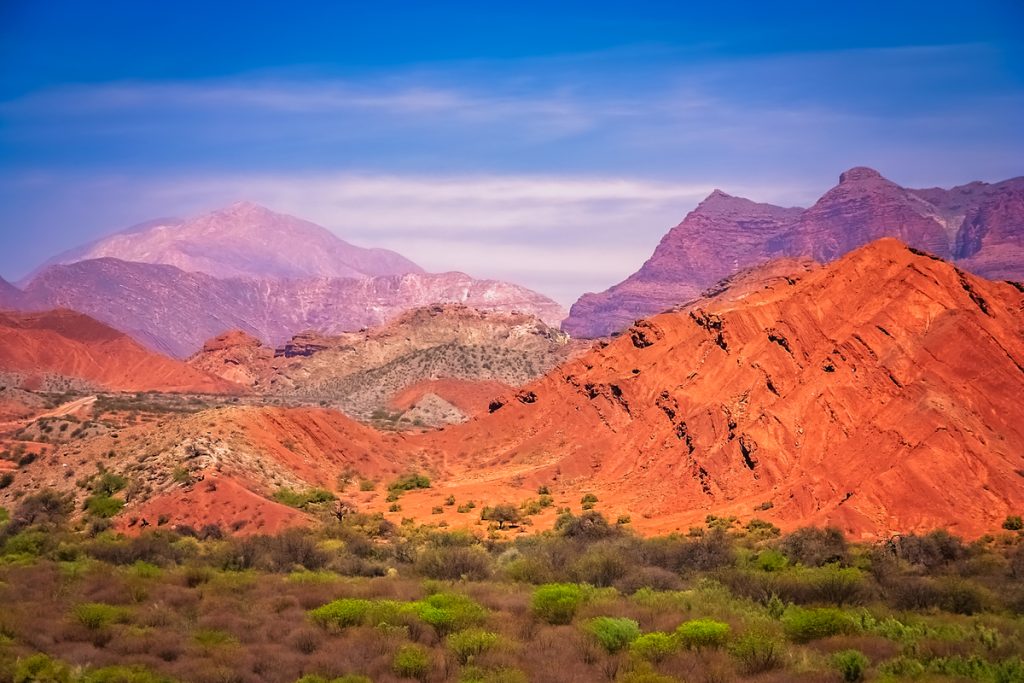
Some of Argentina’s most rewarding experiences happen far from the big-ticket sights, in the hands of the people who call these landscapes home. In the Quebrada de Humahuaca — the dramatic, multicolored valley of the northwest, itself a UNESCO World Heritage Site — Andean communities welcome travelers to weave, cook, and walk with them. Trekking alongside llamas on ancient trails, buying textiles directly from the artisan who made them, and sharing a meal of regional staples are small acts that keep traditions alive and income local.
The same spirit runs through Patagonia’s Welsh tea houses, the gaucho estancias of the Pampas, and rural-tourism networks in Córdoba and the Andean foothills. The principle is simple: seek out experiences owned and run by locals, and your trip becomes a direct investment in the people who protect Argentina’s culture and countryside.
Where to Stay: Eco-Certified Lodges and Green Hotels
Choosing the right place to sleep is one of the easiest ways to travel responsibly. Argentina has its own respected, internationally recognized green-hotel standard, Hoteles Más Verdes — the sustainability certification program of the country’s Hotel Association (AHT), recognized by the Global Sustainable Tourism Council, which awards bronze, silver, and gold levels. Many of the country’s finest properties also hold international certifications such as Travelife, and hotels in the capital may carry Buenos Aires’s own Ecosello label.
When we plan a journey, we look for the markers that matter: renewable energy and water conservation, locally sourced food, fair employment of local staff, plastic reduction, and genuine support for nearby conservation. A certified eco-lodge on the edge of a national park is not a compromise on comfort — increasingly, it is the most memorable bed in the region.
Ten Practical Tips for Traveling Responsibly in Argentina
A few simple habits go a long way:
- Choose certified, locally owned stays — look for Hoteles Más Verdes, Travelife, or Ecosello.
- Travel slowly. Linger longer in fewer places; it cuts your footprint and deepens the experience.
- Fly thoughtfully. Combine nearby regions, and consider offsetting unavoidable domestic flights.
- Hire local guides and book community-run experiences wherever possible.
- Keep your distance from wildlife and pick operators that follow regulated, ethical codes.
- Buy crafts directly from artisans at fair prices, especially in the northwest.
- Eat local and seasonal — regional cuisine supports nearby producers and tastes better for it.
- Refuse single-use plastic. Carry a reusable bottle; tap and filtered water are widely available.
- Leave no trace in parks: stay on marked trails and take everything out with you.
- Conserve water, especially in the arid Cuyo and northwest, where every drop counts.
How 01 Argentina Helps You Travel Sustainably
Sustainable travel in Argentina is easier with people who know the ground. As specialists devoted entirely to Argentina, 01 Argentina Travel Agency offers the very finest tours — and every one of them is fully customizable, shaped around your values as much as your interests. We work with certified lodges, licensed wildlife operators, and community-based hosts, and we build each itinerary to tread lightly while showing you the very best of the country. The result is a journey that feels good in every sense.
Ready to plan a trip that gives back? Contact our team and we will design a private, sustainable Argentina journey just for you.
Frequently Asked Questions
What makes Argentina a good destination for sustainable travel? Argentina pairs extraordinary biodiversity with one of the world’s most ambitious conservation movements. Expanding national parks, large protected wetlands and coastlines, and active rewilding projects mean travelers can experience nature being restored — and support it directly through community-based tourism.
Where can I see rewilding in Argentina? The flagship destination is the Iberá Wetlands in Corrientes, where jaguars, giant anteaters, giant otters, and other species have been reintroduced. Visiting with local guides directly funds conservation and the communities protecting the area.
Is whale watching in Patagonia ethical? At Península Valdés it can be, thanks to strict regulations: limited boat numbers, mandatory respectful distances, wildlife-friendly engines, and certified guides. Choose a licensed, conservation-minded operator and the experience supports both science and the local economy.
How do I find eco-friendly hotels in Argentina? Look for recognized certifications — Hoteles Más Verdes (bronze, silver, or gold), Travelife, or Buenos Aires’s Ecosello — which verify energy and water savings, local sourcing, and fair labor practices.
Can a tailor-made tour still be sustainable? Yes. A well-designed private trip is often more sustainable: it can prioritize certified stays, local guides, community experiences, and slower routes that reduce flights — all tailored to how you like to travel.